
1
Owner brief
We record symptoms, wearing habits, past service and personal priorities.
SkillRise is built around restraint, documentation and respect for the watch as an object with mechanical, emotional and market value.
Some workshops begin with speed. We begin with context. A watch owned for daily office wear needs a different conversation than a vintage heirloom or a newly acquired pre-owned piece. We ask how the watch is worn, what the owner values and what trade-offs are acceptable.
The result is a service plan that protects function without erasing identity. This is especially important in a market where collectors increasingly care about provenance, originality and documented maintenance.
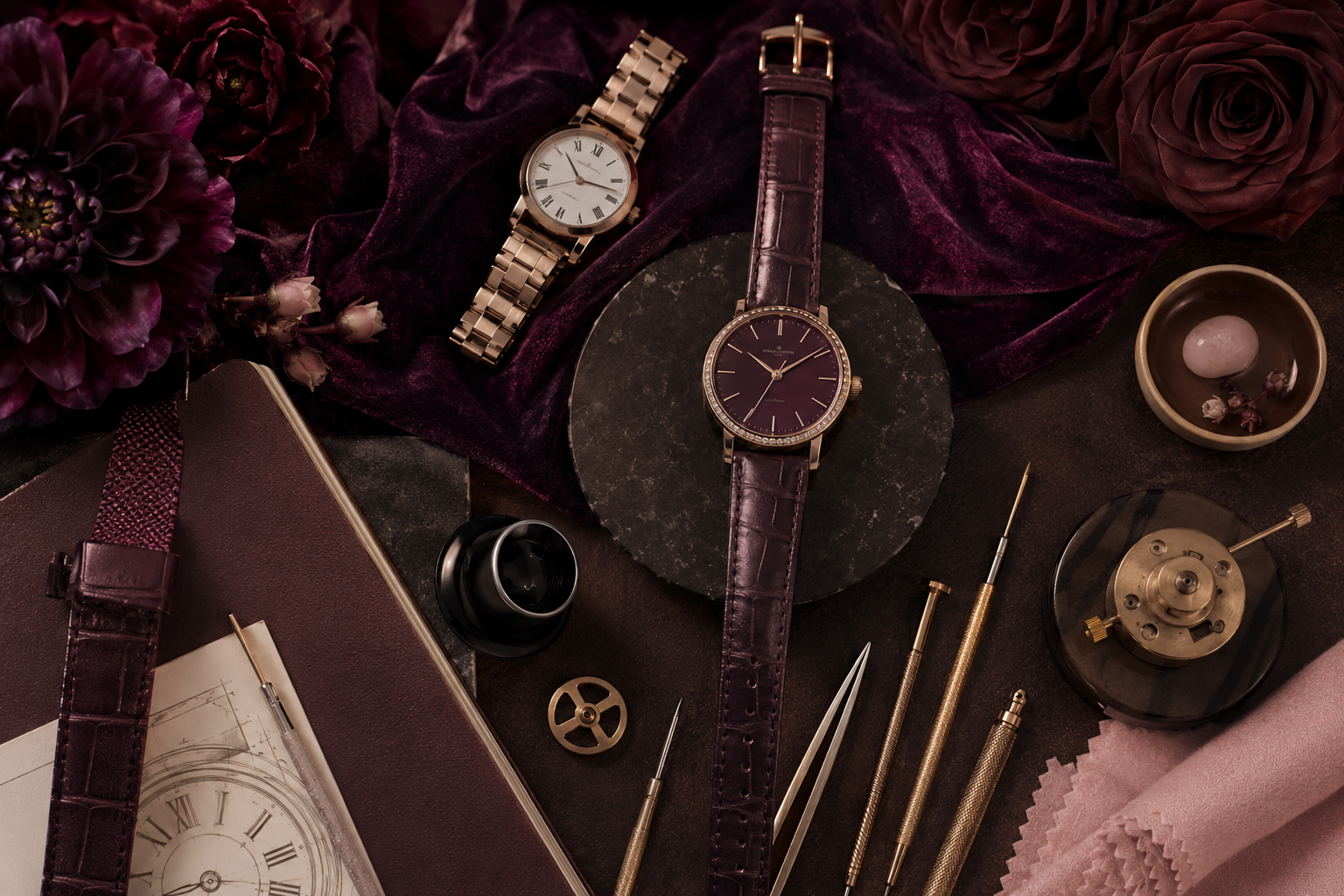
Each stage is designed to help the owner understand what the watch needs and what it does not need.
We record symptoms, wearing habits, past service and personal priorities.
Case, crystal, crown, bracelet, clasp and visible seals are photographed or noted.
Rate behaviour is reviewed as a clue, not as a complete diagnosis.
We separate urgent, recommended and optional items before quoting.
Availability, authenticity and alternatives are discussed when relevant.
Work proceeds only after written approval of scope and estimate.
Timeline updates are shared when the work changes or parts are delayed.
Clients receive advice for wearing, storage and next inspection timing.
Trust in watch care comes from saying no when a request would harm the watch. We may decline over-polishing, risky water-resistance promises, unsuitable aftermarket parts or work that would misrepresent originality.
We discuss how refinishing, dial work or replacement components may affect collector perception.
We explain when manufacturer-only tools, parts or pressure-testing requirements make external service unsuitable.
A premium service is incomplete without guidance on humidity, shocks, straps, magnetism and rotation.
Kuala Lumpur and coastal Malaysian environments are not gentle on watches. Sweat, humidity, rain, air-conditioning cycles and travel can age leather straps, weaken seals and expose servicing gaps. Our guidance reflects those real conditions rather than generic advice copied from temperate climates.
We encourage owners to treat water resistance as a maintenance item, not a permanent feature. We also recommend avoiding unnecessary crown operation in wet environments, rinsing suitable bracelets after salt exposure and storing seldom-worn watches away from extreme heat and magnetic accessories.
Additional work is paused for approval when the scope changes.
We explain risk levels and allow clients to decide with clear context.
We are independent and do not claim manufacturer authorisation unless written evidence exists.
Appointments help us give your watch the time and attention it needs.
Your request has been recorded locally.